Burnham Advocates for Universal Social Care Access
Andy Burnham, the mayor of Greater Manchester, has unveiled his plans to implement a comprehensive social care system in England that aims to provide free services to all residents. During an interview, he emphasized that this initiative should mimic the principles of the National Health Service (NHS), proposing that everyone contribute to the system while also ensuring that everyone is covered by it.
Burnham expressed his intentions to present this vision to voters in the upcoming general election, aligning it with his longstanding commitment to reforming social care. He noted that this proposed structure would require careful consideration regarding its funding, indicating that tax increases could potentially be a part of the solution, albeit acknowledging that such measures might face public resistance.
Current State of Social Care
In England, current regulations dictate that individuals with assets exceeding £23,250 are ineligible for financial assistance with care costs from local councils. This basic framework starkly contrasts with the NHS, as social care does not offer free access at the point of use. The varying eligibility requirements across the UK mean that people in Scotland and Wales experience different systems, which Burnham highlighted as inequitable.
During his discussion with a media outlet, Burnham emphasized the pressing need for reform in social care. He drew parallels with the American healthcare system, describing the current state of social care in England as deeply unfair and noting that it creates financial barriers for the most vulnerable populations. His remarks also pointed out that the NHS is under significant strain due to the number of patients who cannot be discharged without adequate social care in place.
Exploring Funding Mechanisms
Responding to inquiries about how his vision would be funded, Burnham stated, "nothing is off the table at this moment in time." He recognized the importance of developing a transparent and feasible funding model to support the reforms proposed. Initial estimates suggest a free universal care system could cost taxpayers around £18 billion annually; however, Burnham dismissed this figure as overstated, asserting that the current financial burdens on individuals are already considerable.
The Labour leader portrayed this reform as an essential investment, paralleling the foundational principles of NHS funding. Thus, he sees the potential for a restructured social care system that does not place an excessive financial burden on taxpayers while simultaneously aiding those who need support most urgently.
Collaborative Approach to Reform
Burnham's proposal has been met with scrutiny as well as support from various politicians. Shadow Home Secretary Chris Philp has been vocal in opposing potential tax increases, labeling them as a strict "red line" for his party. He asserted that the Conservative Party would not endorse increased taxation, emphasizing the importance of budget savings rather than new revenue streams for funding social care.
In contrast, Labour MP Darren Jones commended Burnham's boldness in addressing a contentious issue. He acknowledged that reforming social care necessitates substantial financial resources and cautioned that the political landscape would require prioritization of funding sources, referencing potential adjustments to existing policies, such as the pension triple lock.
Engagement with Other Political Parties
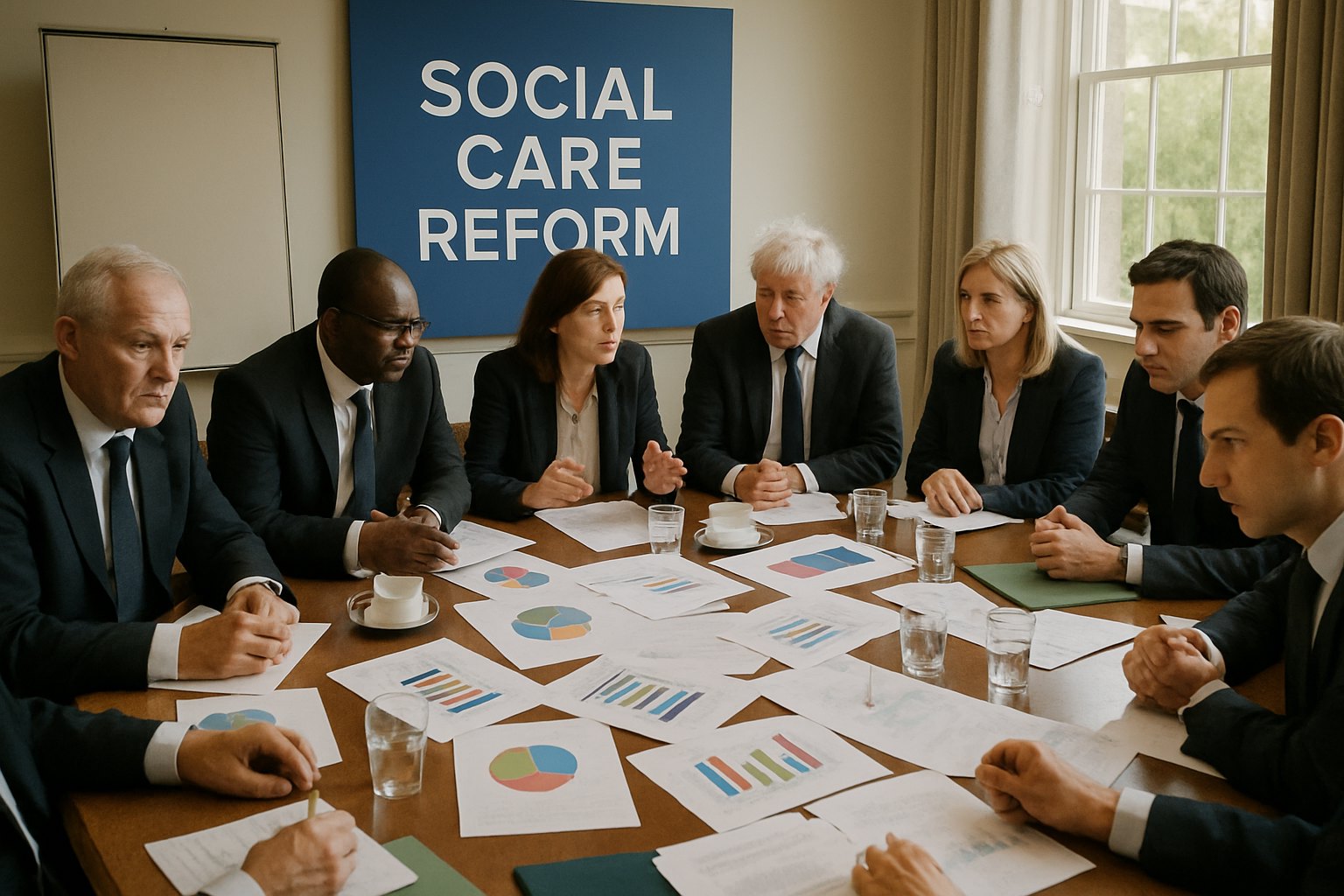
To reinforce the legitimacy of his proposals, Burnham intends to initiate cross-party discussions early in the process. He believes that developing a consensus among various political factions is paramount for successful reform and lasting solutions. Burnham has tasked Baroness Casey with providing advisement on the future of social care, urging her to expedite her review initially scheduled for 2028 to next summer.
The importance of collaboration in shaping social care reform cannot be overstated, as Burnham noted that gaining public trust is essential, particularly in light of previous manifesto commitments from Labour regarding taxation.
Cautions and Historical Context
Although Burnham is passionate about reforming social care, it is important to recognize the historical complexities surrounding similar proposals. Previous attempts to address social care in the UK have often been met with significant pushback and concern over perceived financial implications. Burnham himself proposed a national care service in the past, suggesting funding mechanisms involving compulsory contributions from estates, which received considerable backlash and was branded as a “death tax.”
The political repercussions of social care discussions can be severe, as evidenced by reactions to plans under former Conservative Prime Minister Theresa May. Her proposition to restructure funding for care at home sparked widespread debate and ultimately contributed to her party losing its majority in the following election.
Burnham's Vision for the Future
Going forward, Burnham's ambition reflects a critical understanding of the intersection between social care and healthcare. He has stated that a commitment to reforming the social care system stands as a priority not only for the Labour Party but as an essential element in maintaining the integrity and effectiveness of the NHS.
Burnham’s push for reform aims to significantly alleviate the pressures on both healthcare and social care systems, providing equity for individuals regardless of their financial status. Ensuring that those in need of assistance can access this help is paramount for progressing towards a more robust and fair healthcare model.
As the general election approaches, Burnham's proposal will likely remain a key point of discussion within political discourse, testing both public opinion and the feasibility of broad political agreement.