Understanding Wildfire Costs in Europe
Wildfires have increasingly become a pressing issue for Europe, leading to substantial economic consequences across different countries. These fires not only endanger lives but also threaten the environment and cost governments and communities a considerable amount of financial resources.
Economic Implications
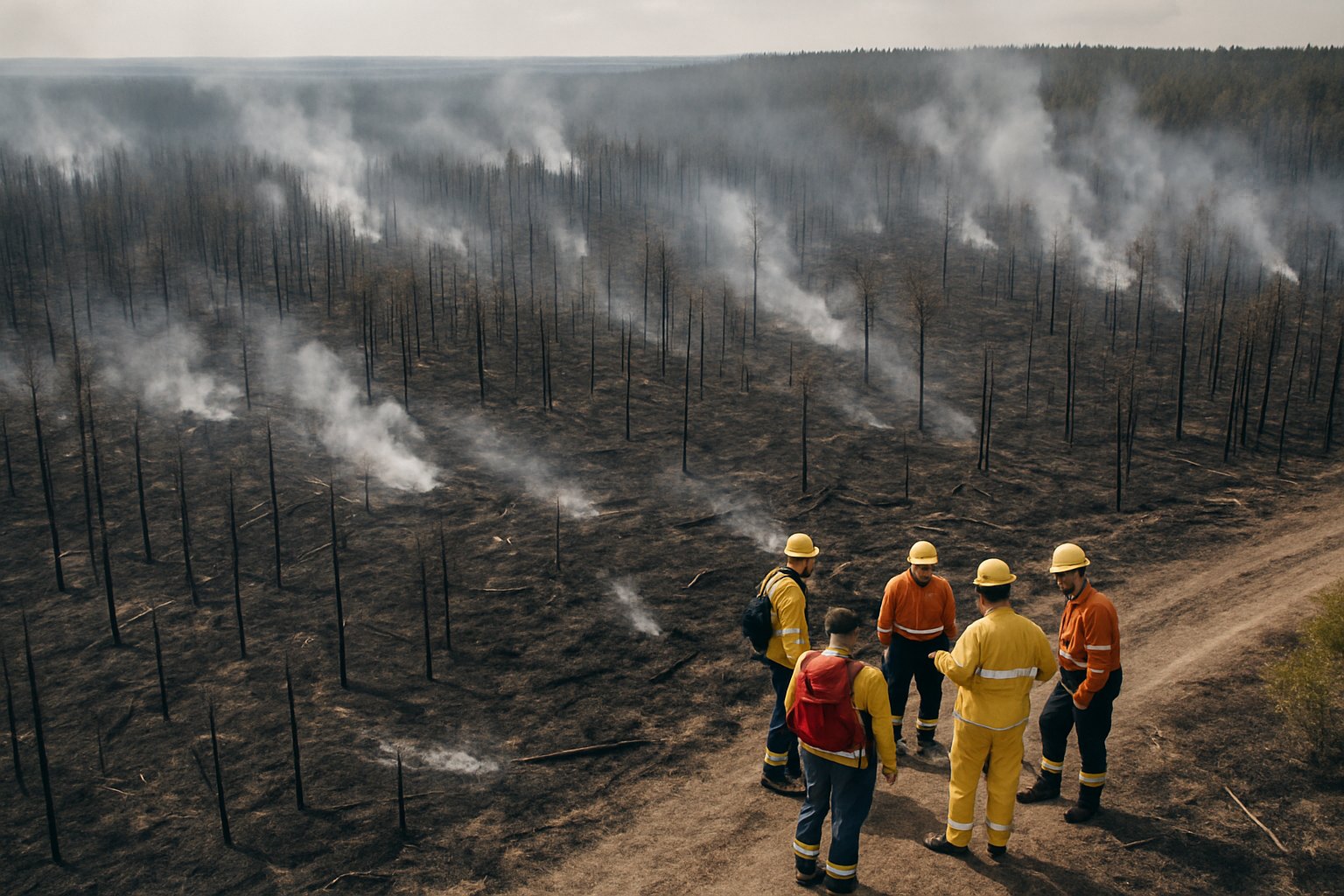
The aftermath of wildfires usually requires extensive recovery efforts, including rebuilding infrastructure, restoring ecosystems, and providing aid to affected individuals. The costs associated with firefighting operations can also be staggering, as resources such as fire engines, helicopters, and personnel are deployed to combat the blazes. In many cases, firefighting efforts must continue for extended periods, further increasing expenses.
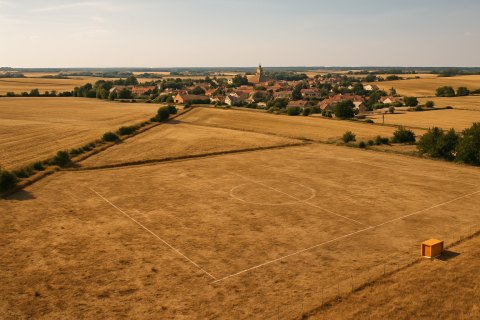
Moreover, the agricultural sector bears the brunt of these destructive events, as wildfires can devastate crops and farmland, leading to food shortages and economic instability in rural areas.
Long-Term Effects on Communities
Beyond immediate financial costs, wildfires can cause lasting effects on communities and the economy. Displacement of residents due to evacuation or property loss can disrupt local economies, with small businesses facing challenges in recovery. Additionally, the psychological toll on affected populations can hinder community reinvigoration.
As climate change continues to exacerbate weather patterns, the frequency and intensity of wildfires are expected to increase. This calls for urgent attention to fire prevention and management strategies to mitigate costs and protect vulnerable areas in Europe.
Conclusion
The financial implications of wildfires in Europe are complex and multifaceted, necessitating a coordinated response from governments, environmental organizations, and local communities. Addressing these challenges will require proactive measures to reduce the risks posed by wildfires and safeguard both human and ecological well-being.