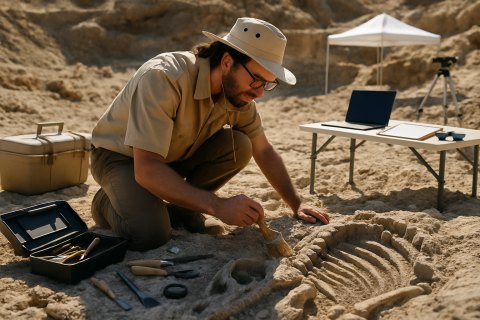
Recent paleontological research has unveiled the first confirmed evidence of Diplodocus, a well-known dinosaur species, in Europe. This finding is pivotal as it expands the geographical understanding of where these massive creatures roamed during the Jurassic period.
Significance of the Discovery
The discovery of Diplodocus fossils in Europe is especially noteworthy given that these dinosaurs are commonly associated with North America. Their presence in Europe indicates a potentially broader distribution of this species than previously recognized, prompting scientists to reevaluate theories about dinosaur migration and habitat.
Impact on Paleontological Research
This significant addition to the fossil record could lead to a deeper understanding of the evolutionary history of sauropods, the group to which Diplodocus belongs. Researchers are now tasked with determining how these dinosaurs adapted to different environments across continents.
Implications for Understanding Biodiversity
Additionally, discovering fossils like those of the Diplodocus in Europe provides insights into the ecological dynamics of the time. It suggests that prehistoric ecosystems may have been more interconnected than previously thought, allowing for species dispersal between continents.
Future Directions in Research
As researchers continue to study these fossils, they may uncover more about the diet, behavior, and evolution of this iconic dinosaur. Further excavations and analysis will also focus on the specific geological context of the findings, revealing more about the environment in which these giants lived.
Ultimately, this discovery not only impacts the study of Diplodocus but also enhances our overall comprehension of dinosaur diversity and evolution across different regions.