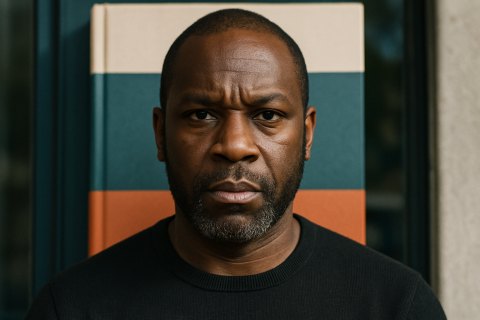
Russell T Davies is a prominent figure in British television, celebrated for his significant contributions in reviving iconic series like Doctor Who and addressing the complexities of queer life in his storytelling. Despite his remarkable achievements, the acclaimed screenwriter faces a stark reality of hostility and threats stemming from his public support for marginalized communities, most notably the transgender community.
Challenges of Online Hostility
The once-beloved showrunner reflects on the impact of negative online narratives. He has encountered intense backlash, including labels of 'paedophile' and 'groomer', primarily from online commentators aligned with anti-trans agendas. Such allegations stem from misunderstandings or deliberate misrepresentations of his work and opinions. Davies openly addresses the fear that has prompted him to take drastic measures for his safety, like keeping a knife by his front door. His anxiety is compounded by the knowledge that some individuals have tracked down his personal address, leading him to recognize the gravity of such threats in today’s digital landscape.
“It’s disheartening to realize that hostility can effortlessly transition from digital vitriol to real-world repercussions,” he notes. Davies, who was once able to dismiss these threats as merely an internet phenomenon, now perceives them as an imminent danger. The growing climate of animosity, intensified by social media algorithms that reward sensationalism, presents a visceral challenge, one he describes as a distressing reality.
The Journey of Queer Storytelling
Davies has been a trailblazer in queer storytelling, especially with his landmark series Queer As Folk that debuted in 1999. This groundbreaking show showcased the lives of three gay men in Manchester and stirred controversy due to its candid portrayal of same-sex relationships. Critics argued the series depicted a destructive narrative, while audiences lauded its authentic representation of gay life.
When considering whether he would include provocative storylines seen in his past work, such as a controversial relationship between an older and younger character, he affirms his choice would remain unchanged. However, he recognizes that a shift in societal attitudes and legalities surrounding such depictions would warrant careful thought today. Rather than an endorsement of any specific behavior, Davies emphasizes that drama allows for the exploration of complex emotions and situations that reflect society's reality.
Embracing Complexity in Character Development
The screenwriter places importance on nuanced narratives, criticizing a modern trend in television where writers prioritize positive representation over engaging storytelling. For Davies, highlighting diverse perspectives—regardless of their polarizing nature—is essential. His recent drama, Tip Toe, exemplifies this principle; it features characters across the political spectrum and includes a gender-critical character who elicits strong responses from viewers. His aim is to showcase real societal debates rather than simplistic conclusions.
In tackling sensitive subjects related to LGBTQ+ rights, Davies seeks to demonstrate the complexities within varying viewpoints. He describes a character's powerful monologue that resonates with individuals—those feeling marginalized or threatened by evolving gender discussions. Instead of relegating voices to mere caricatures, Davies aims to present a comprehensive dialogue that enriches the viewers' understanding of critical discussions facing the community.
Transition in Personal Life and Politics
As an individual, Davies embodies a larger-than-life persona, enhanced by his impressive stature. Standing at 6 feet 6 inches, he displays warmth and openness during encounters with fans and followers alike. However, his life is marked by more than just his professional achievements. Growing up, he often felt the need to navigate his father's skepticism towards a career in television, opting instead to downplay his aspirations. This upbringing influenced his relationship with his work, always striving for excellence despite his father's complex views.
In personal terms, Davies faced immense heartache when his partner, Andrew Smith, was diagnosed with terminal illness. Despite the challenges, he embraced the role of a caregiver, demonstrating a profound transformation in his priorities and values. This period marked a significant shift, compelling him to assess the essential aspects of love, life, and companionship.
Resilience and New Beginnings
After Smith's passing, Davies experienced an initial period of introspection, dedicating time to his professional endeavors including the acclaimed miniseries It's a Sin. Yet, in a surprising twist, a message on social media eventually led him to embark on a new romantic chapter. Meeting model Oliver Cole, who is significantly younger, gave Davies a renewed sense of purpose and joy, though he acknowledges the societal apprehension regarding their age difference.
This newfound connection has invigorated his life, challenging doubts while showcasing the potential for love and companionship beyond common societal expectations. Friends initially grappled with the age gap but have embraced Cole once they got to know him. Davies describes Cole as optimistic and grounded, qualities he admires deeply. He reflects on how Smith's legacy of kindness and understanding would have compelled him to support Davies in exploring new relationships.
Reflecting on the Industry and Future Prospects
Davies maintains a keen eye on the television industry, voicing concern over the current state of Doctor Who amidst criticisms from the fanbase. Despite polarized reactions to his work’s complexity and nuances, he focuses on finding appreciation and joy in his projects. He holds fond memories of his experiences on the show, and although he feels the weight of critiques, his enthusiasm for storytelling remains unshaken.
He expresses the need for committed champions of Doctor Who within the production structure, fearing that diminishing support may undermine its legacy. Echoing themes from his narrative, he acknowledges the importance of storytelling that resonates, typifying Doctor Who's innate ability to combine imaginative adventure with reflections of real-world complexities. For the franchise's revival, he suggests a return to character-driven plots could help recapture loyal viewers and introduce newcomers.
In conclusion, Russell T Davies stands as a compelling figure navigating the intersection of personal loss, societal challenges, and creative ambition. His body of work reflects a profound understanding of the human experience, merged with a commitment to foster dialogue within the LGBTQ+ community. Through his triumphs and tribulations, he embodies resilience while advocating for authenticity and complexity in storytelling. The possibility of renewed appreciation for his contributions continues to capture his passion as he champions narratives that resonate with both personal and collective struggles.