The United Kingdom is facing increasing pressure to enhance its defence capabilities and prepare for potential conflicts. As part of these efforts, the government is set to initiate a significant military exercise next year that will evaluate the nation's resilience in wartime scenarios. Armed Forces Minister Louise Sandher-Jones stated that this upcoming drill will test the Ministry of Defence (MoD) in ways that have not been experienced for an extended period.
Mobilising the Strategic Reserve
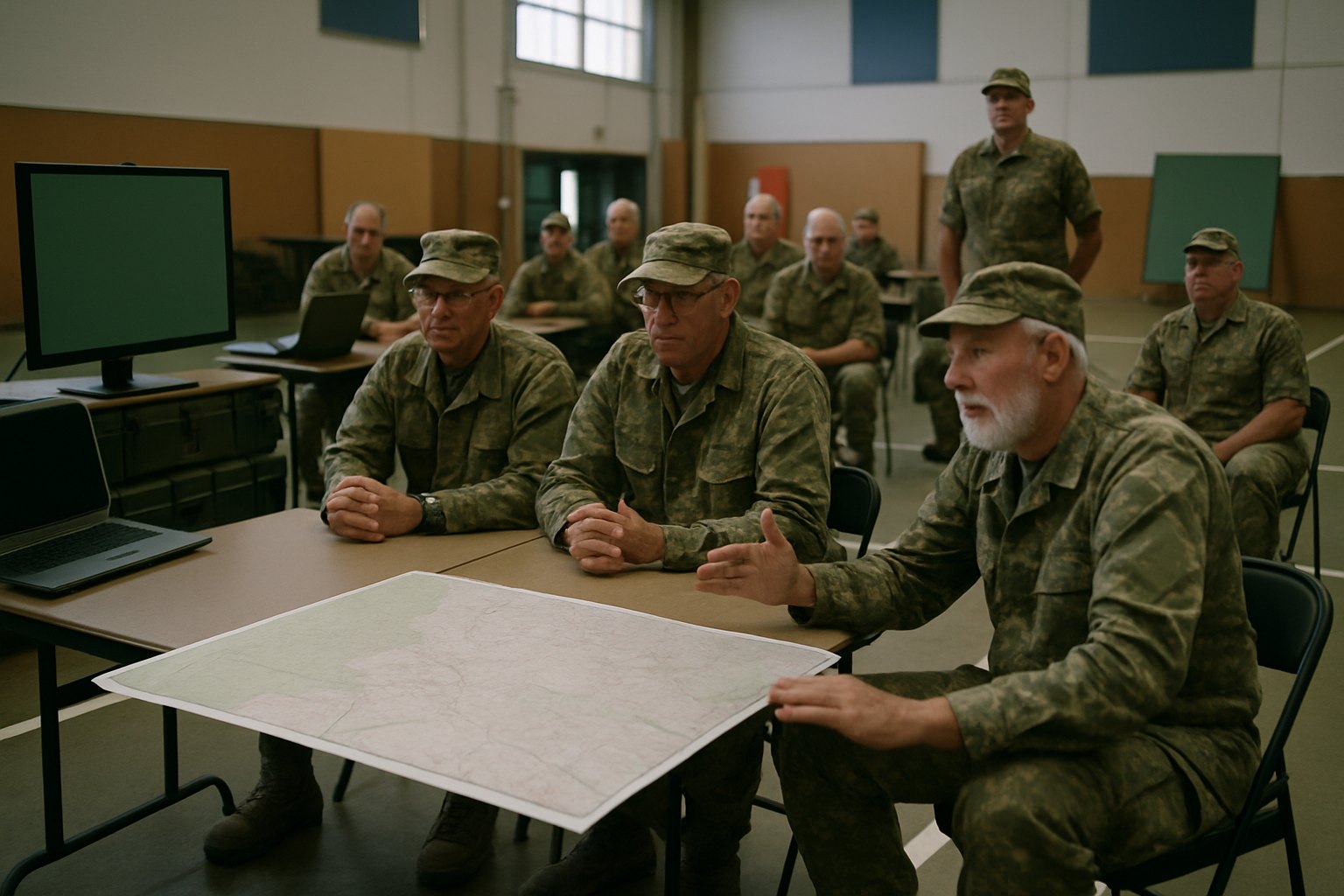
This major exercise will see the mobilization of some veterans, utilizing a portion of the British military's strategic reserve, which includes approximately 95,000 retired regular and reserve officers. The MoD is actively seeking to enhance its engagement with the strategic reserve as part of a broader strategy to address an anticipated workforce retention challenge within the armed forces.
Sandher-Jones, who has a background as an intelligence officer in the British Army prior to her current role as a parliamentarian, emphasized the renewed importance of the strategic reserve. She noted that her own attitude towards being in the strategic reserve has shifted significantly since her departure from active service. “The strategic reserve is a real commitment for those who are in it, and they will be exercised as part of our exercise programme next year,” she stated during a session with the House of Lords national resilience committee.
Preparedness for Future Conflicts
The exercise set for 2027 will evaluate the MoD's procedures for calling upon, utilizing, and equipping retired troops in large numbers if the need arises. This initiative responds to earlier concerns raised by the chief of the defence staff, who pointed out the lack of a robust system for effectively engaging the strategic reserve. To bolster this ability, the government has recently raised the age limit for participation in the strategic reserve from 55 to 65 years old and has reduced the threshold for activating these personnel for service.
In light of these developments, the UK government is also experiencing calls to increase defence spending to 3% of its gross domestic product (GDP) by the decade's end. This figure represents a significant rise from the approximate 2.4% estimated from the previous year, according to Nato figures.
Public Preparedness Initiatives
In addition to military exercises, the government plans to conduct a wide-ranging public awareness campaign aimed at preparing the public for various emergencies. Anticipated elements of this campaign include guidance on stockpiling basic necessities, such as tinned food and bottled water, in preparation for extreme weather events or cyber-attacks.
Sandher-Jones referenced Finland as a model to follow, pointing out its extensive civil defence exercise involving more than 2,000 participants. Furthermore, she highlighted the necessity of engaging young people in enhancing military readiness, alluding to a new military 'gap year' initiative for under-25s. If successful, this program is expected to expand rapidly as it aims to combat the issue of young individuals who are classified as not in education, employment, or training (Neets) by fostering cadet programs in schools.